
Tips for creating a calm home
We take a look at the subtle impacts of our home surroundings on mental health, and some simple ways of creating a space where you can fully unwind.
While external factors can make the world seem like an increasingly stressful place, our homes provide a sanctuary where we can have more control over our surroundings. Whether we’re conscious of it or not, homes have a profound impact on our wellness and mood – they offer comfort, security and a sense of familiarity.
In recent years we’ve seen more focus on using our interiors to influence our mood, with the Danish concept of hygge and the ‘dopamine décor’ trend gaining popularity. As with anything, however, there’s no one-size-fits-all approach. So, we’ve put together some easy tips for creating a sense of calmness in your home – whatever that looks like for you.
Key takeaways
- Creating a calm home can improve mental health, reduce stress and support overall well-being.
- Simple changes like decluttering, soft lighting, calming home decor and calming colours can make your home more relaxing.
- Natural light and warm lighting help create a comfortable atmosphere throughout the day.
- Using scents such as lavender, bergamot and rosemary can promote relaxation and better sleep.
- Designing a calm space at home doesn’t require a full redesign – small, personal touches, including relaxing bedroom wall art or calming office decor, can have a big impact.
- A calm home environment is personal and should reflect your lifestyle, preferences and daily routines.
Start small
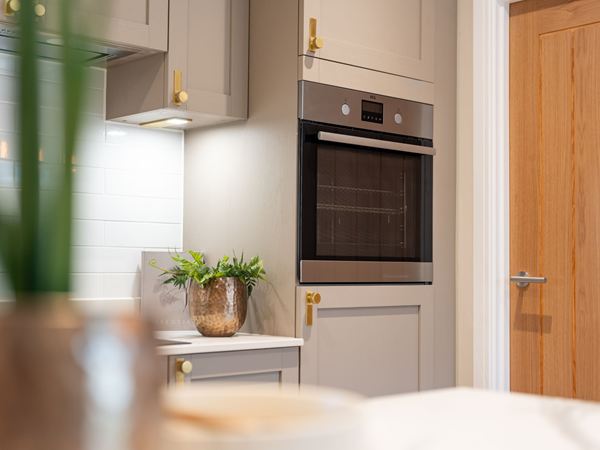
The immaculate homes we see on Instagram can mislead us into thinking that it’s attainable for every room in your house to be perfectly curated and zen. For most of us that’s just not realistic, but don’t be discouraged. Choose one area in your home to be your dedicated ‘calm space’.
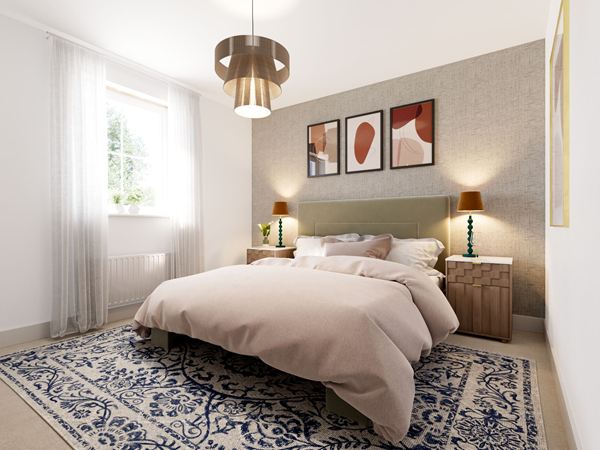
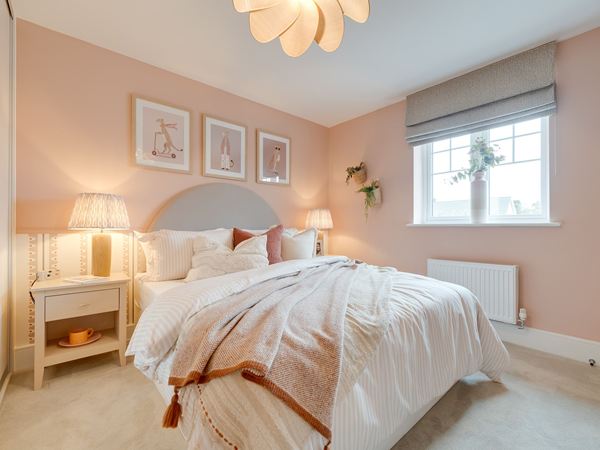
It could be your bedroom, a cosy corner of the living room, or anywhere that’s unused and requiring a bit of love. Giving yourself just one space where you can escape, relax and feel calm can have a huge impact on your mental health, especially if it’s a place that’s relatively free from technology and screens. Many people start with calm bedroom ideas – such as soft bedding, relaxing bedroom wall art and gentle lighting – because the bedroom is where we naturally wind down and can most easily create a calm home feeling.
Colour yourself calm
Substantial research has proved that colour had a definite impact on our mood, and using colour to create a feeling of calmness is no exception. The question of which colours we find most calming is totally subjective. While the white and elegant ashen tones of a minimalist Scandi home might be relaxing to many, others might feel comforted in darker, more intimate spaces, surrounded by familiar possessions.
Generally, more muted-toned colours have a calming effect, but this could be anything from a soft linen white to a soothing sage or shadowy petrol blue. If you don’t want to go so far as to paint the walls, you can build up a palette using large throws, cushions and wall prints in your chosen colours.

Easy on the eyes
As with colour, light can significantly influence our emotions. When it comes to mental health and wellness, natural light is unrivalled. If you can’t easily maximise the natural light in your home, bulbs in daylight white can have the same reviving effect as a bright day, helping you feel refreshed.
When it’s time to wind down, a dimmed warm white light is ideal for encouraging relaxation. Similar to the glow of firelight, it naturally makes us feel cosy and secure.

Soothe the senses
To really feel calm and nurtured, it’s important to engage all the senses. There’s a mind-boggling array of candles, diffusers and essential oils that aim to help relaxation, but if you feel spoilt for choice then lavender is always a good bet.
Used for hundreds of years in scented products, the floral, herbal scent is known for its ability to reduce anxiety and promote sleep. Other popular scents for relaxation include bergamot, rosemary and ylang ylang, or you could choose a scent that’s attached to happy memories – maybe cinnamon, or sea breeze.
Room to breathe
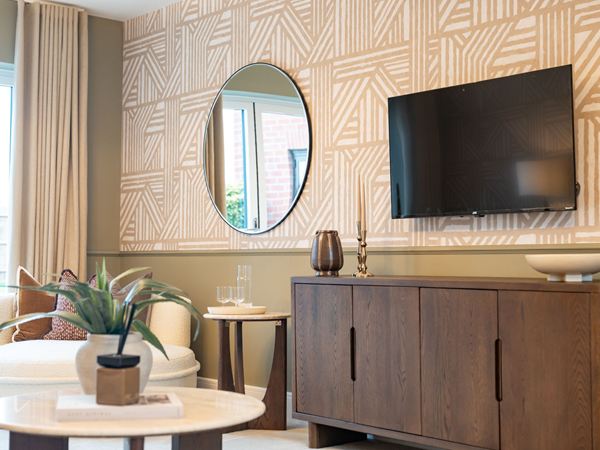
Finally, and perhaps most challenging, decluttering your space is a great way to instantly feel relieved and relaxed – it’s been proven that people who feel their homes are cluttered have higher levels of the stress hormone cortisol. Decluttering doesn’t have to mean minimal.
Looking around your room, there should be nothing visible that doesn’t serve a purpose or make you happy. Everything else can be tidied away in cupboards or wardrobes, kept in attractive storage baskets or containers, rehomed or recycled.
Room to breathe: simple decluttering rules
Finally, and perhaps most challenging, decluttering your space is a great way to instantly feel relieved and relaxed – it’s been proven that people who feel their homes are cluttered have higher levels of the stress hormone cortisol.
Decluttering doesn’t have to mean going completely minimal. Looking around your room, there should be nothing visible that doesn’t serve a purpose or make you happy. Everything else can be tidied away in cupboards or wardrobes, kept in attractive storage baskets or containers, rehomed or recycled. Clearing surfaces also allows carefully chosen calming home decor or a few pieces of relaxing bedroom wall art to stand out, reinforcing the sense of a calm home in every room.
The 4 C's
Many people find that the hardest things to get rid of, even when decluttering, are sentimental items – gifts, photos, children’s artwork or objects linked to important memories. A calm home doesn’t mean you have to part with everything; instead, curate your favourites and give them a special place, while letting go of duplicates or items that no longer feel meaningful.
To stay on track, you can follow the 4 C’s of decluttering: Clear (remove everything from the area you’re working on), Categorise (group items by type), Choose (decide what to keep, donate, recycle or discard) and Contain (store what remains in simple, labelled containers or drawers). This gentle structure supports both a calmer home and a calmer mind.
The 50% rule and 5-5-5
If you’re not sure where to start, the 50% rule in decluttering can help: aim to clear about half of what’s on any given surface or in a drawer or wardrobe. By reducing visible items by roughly 50%, you create more breathing space without stripping your home of personality.
You can also try the 5–5–5 rule for decluttering: choose five items to throw away or recycle, five to donate, and five to put back where they actually belong. This keeps decluttering manageable and stops it from feeling overwhelming.